Matteo Terranini
Dive Director & Co-founder
SSI Instructor Trainer with 15+ years diving the waters of Koh Tao. Matteo has personally logged over 4,000 dives around the island and manages daily dive operations at Carabao Diving.
Published
May 19, 2026
9 min read
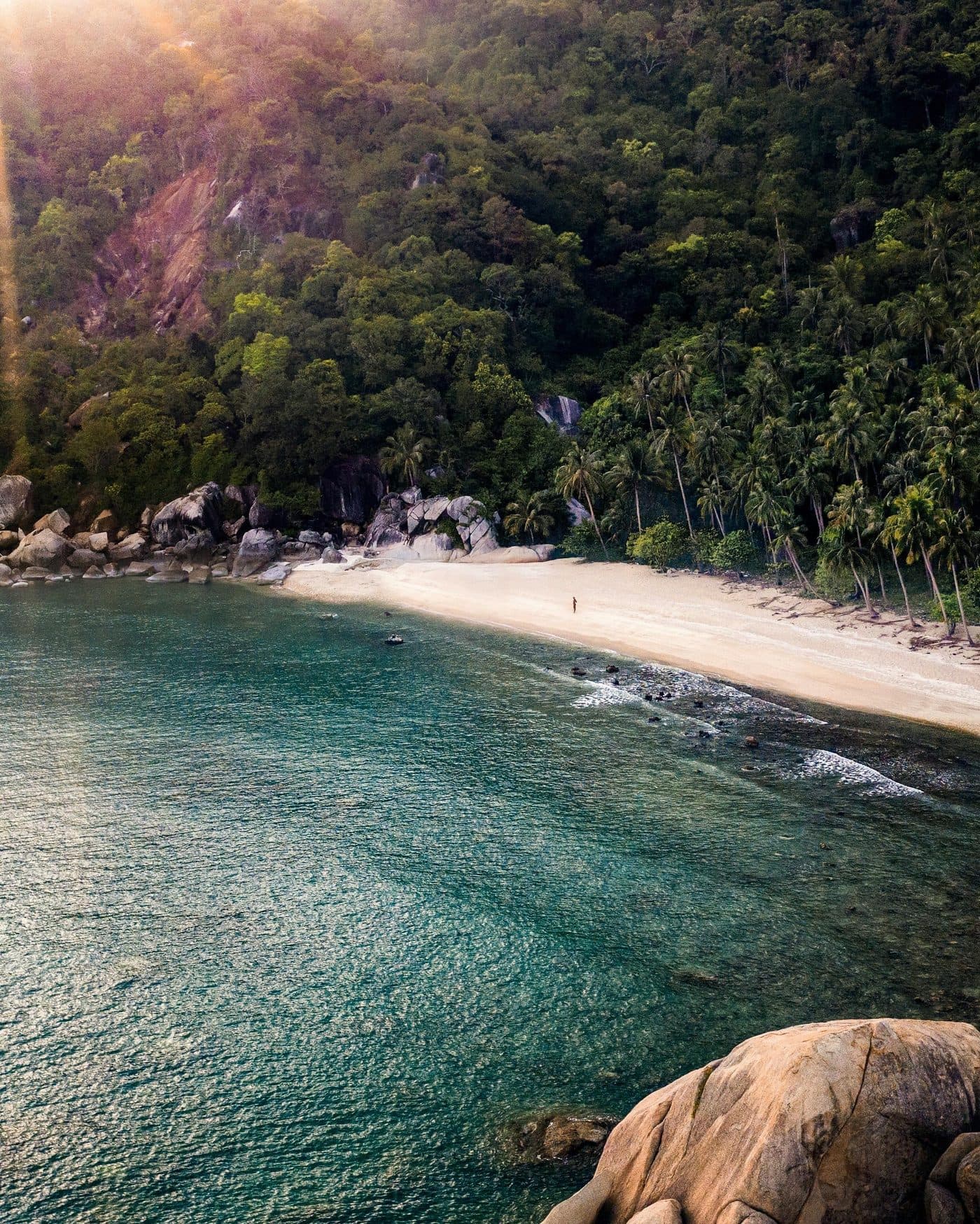
Chalok Bay sits on the sheltered south side of Koh Tao — and it's the perfect base for reaching some of the island's best dive sites. Here's what's within reach, what you'll see at each site, and which ones are worth prioritising.
Carabao Diving operates from Chalok Bay on the south side of Koh Tao. We've been running dives from this bay for over 15 years, and in that time we've developed a very clear picture of which sites are worth the boat ride and which ones are overhyped on the tourist menus.
This guide covers the sites we actually dive most frequently — honest assessments of depth, visibility, marine life, and which certification level you need. No filler.
Why Chalok Bay Is the Best Base for Diving in Koh Tao
Most dive centres on Koh Tao are based on the west side of the island — Sairee Beach and Mae Haad. This means they're directly exposed to the southwest monsoon (May–October) and frequently cancel trips during rough weather. Chalok Bay faces south-southeast, sheltered from both the northeast and southwest monsoons. We dive almost every day of the year, including during the months when the west coast is choppy.
There's also a practical logistics advantage: because we're on the south side, several of the best sites — Twin Peaks, Laem Thian, Shark Island, White Rock — are closer to us than to west-coast operators. We spend less time on the boat and more time underwater.
The Best Dive Sites Accessible from Chalok Bay
Shark Island (Koh Nang Yuan area)
Shark Island sits just off the southeastern tip of Koh Tao, about 10–15 minutes from Chalok Bay. Despite the name, it's not primarily known for sharks — it's one of the most diverse reef sites on the island. Hard and soft corals, anemone gardens, barrel sponges, and consistent sightings of hawksbill turtles. Depth: 6–25 metres. Suitable for Open Water and above. Visibility: typically 10–20m.
We use Shark Island frequently for second and third dives in Open Water courses — the topography is interesting without being intimidating, and the marine life density makes every dive rewarding for new divers.
Twins (South Koh Tao)
Twin rock formations dropping from 8 metres to about 20 metres, with swimthroughs and crevices that host sleeping whitetip reef sharks, moray eels, and schools of fusiliers. One of the more photogenic sites within easy reach of Chalok Bay. Suitable for Open Water and above. Best in the morning when visibility is sharpest.
White Rock (Hin Khao)
A series of large granite boulders on the northwest side of Koh Tao, about 20–25 minutes from Chalok Bay. White Rock is one of the most frequently dived sites on the island for good reason: excellent coral coverage, consistent marine life, and conditions that suit both beginners and more experienced divers. Look for giant moray eels in the crevices, bannerfish schools, and the occasional leopard shark resting on the sand at 18–22m.
Laem Thian
A pinnacle on the northeast side of Koh Tao with excellent hard coral coverage. Less visited than White Rock or Twins, which means calmer conditions and less dive boat traffic. We see blacktip reef sharks here regularly, particularly in the early morning. Depth: 6–18m. Open Water and above. Access from Chalok Bay: 20–25 minutes.
Chumphon Pinnacle
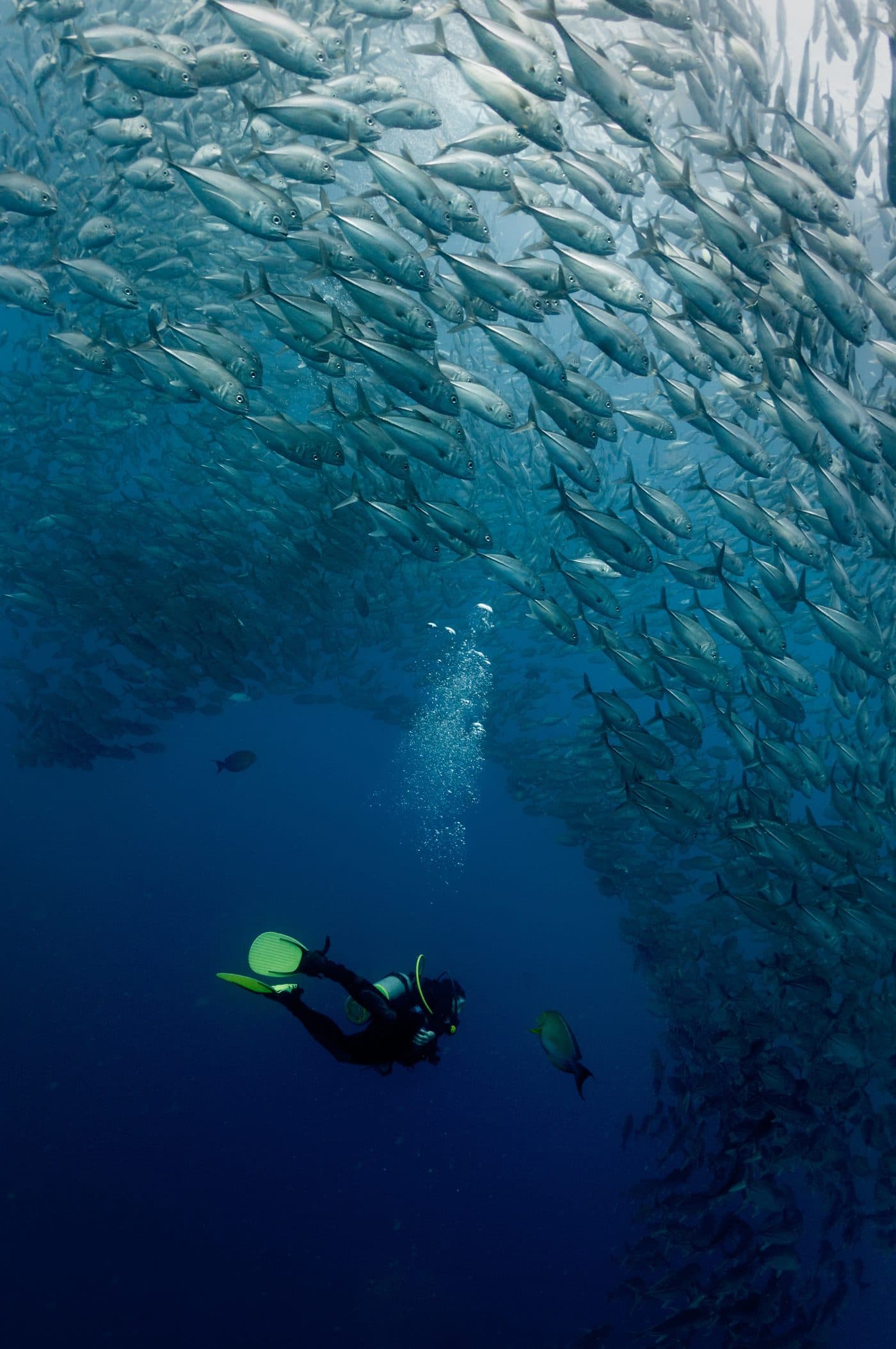
The headline site. A deep water pinnacle in open water northwest of Koh Tao, accessible from Chalok Bay in about 35–40 minutes. Drops to 40m, with the most productive diving between 14–30m. This is the single highest-frequency whale shark site in the Koh Tao area — we've had encounters at Chumphon in every month of the year, with the March–May peak most consistent. Also home to huge schools of barracuda, batfish, and giant grouper. Advanced certification required (30m depth).
HTMS Sattakut Wreck
A decommissioned Thai Navy vessel deliberately sunk in 2011 as an artificial reef, sitting at 18–30m southeast of Koh Tao. The wreck is now heavily encrusted with coral and home to enormous schools of glassfish, lionfish, and batfish. Ghost pipefish hide in the corals along the hull. The top of the wreck is at 18m, accessible with Open Water certification — the bottom deck at 28–30m requires Advanced. One of the most genuinely impressive dives in the Koh Tao area.
Japanese Gardens
A shallow, calm site ideal for beginners and snorkelers on the north side of Koh Nang Yuan. Depth: 1–12m. The hard coral gardens are in excellent condition and the site is almost always calm. We use Japanese Gardens for first open-water dives in courses — the visibility is usually exceptional in the morning and the marine life (pufferfish, butterflyfish, chromis clouds) is instantly impressive without being overwhelming.
| Site | Depth | Cert Needed | Travel from Chalok | Best For |
|---|---|---|---|---|
| Shark Island | 6–25m | Open Water | 10 min | Turtles, coral, courses |
| Twins | 8–20m | Open Water | 15 min | Sharks, eels, photography |
| White Rock | 5–30m | Open Water | 20 min | All levels, leopard sharks |
| Laem Thian | 6–18m | Open Water | 25 min | Blacktips, coral |
| HTMS Sattakut | 18–30m | Open Water/Advanced | 25 min | Wreck diving, glassfish |
| Chumphon Pinnacle | 14–40m | Advanced | 35 min | Whale sharks, pelagics |
| Japanese Gardens | 1–12m | Beginner/Try Scuba | 25 min | First dives, snorkel |
Seasonal Notes: When to Dive Which Site
From Chalok Bay, most sites are accessible year-round. The main seasonal consideration is Chumphon Pinnacle — during the southwest monsoon peak (July–September), surface conditions at Chumphon can be rough enough to make the crossing uncomfortable, though we still attempt it when conditions allow. The benefit of our Chalok Bay location is that all the eastern and southern sites (Shark Island, Twins, Laem Thian, HTMS Sattakut) remain completely calm during monsoon months.
For whale shark probability: March–May is peak at Chumphon Pinnacle, with September–November as the second window. But whale shark encounters have been logged at Shark Island and Twins as well — these animals move around the island, and there's no single guaranteed season.
Ask About Conditions Before You Book
Visibility and marine life sightings vary week by week. When you book with us on WhatsApp, ask what's been seen recently at the sites you want to dive. We log every dive and know exactly what's out there right now.
Book a Fun Dive from Chalok Bay
Certified diver? Join us for a morning dive from Chalok Bay — your group, your sites, your pace. Maximum 4 divers per guide.
Book on WhatsApp❓Frequently Asked Questions
Chumphon Pinnacle, consistently. It's an open-water pinnacle northwest of Koh Tao with the highest whale shark encounter frequency of any site in the area. Peak season is March–May and September–November, but encounters have been logged year-round. Advanced certification required (30m depth).
🎓SSI Certified Instructors · Max 4 Students
Ready to Get Your Diving Certification?
SSI Open Water, Advanced Adventurer, Rescue Diver and more — taught in small groups with beach departure from Sairee, Koh Tao.